Differences Between Air Suspension & Conventional Suspension
Air suspension and conventional suspension systems serve the same purpose: to provide a smooth ride and enhance vehicle handling. However, their designs and performance differ significantly.
- Structural Design:
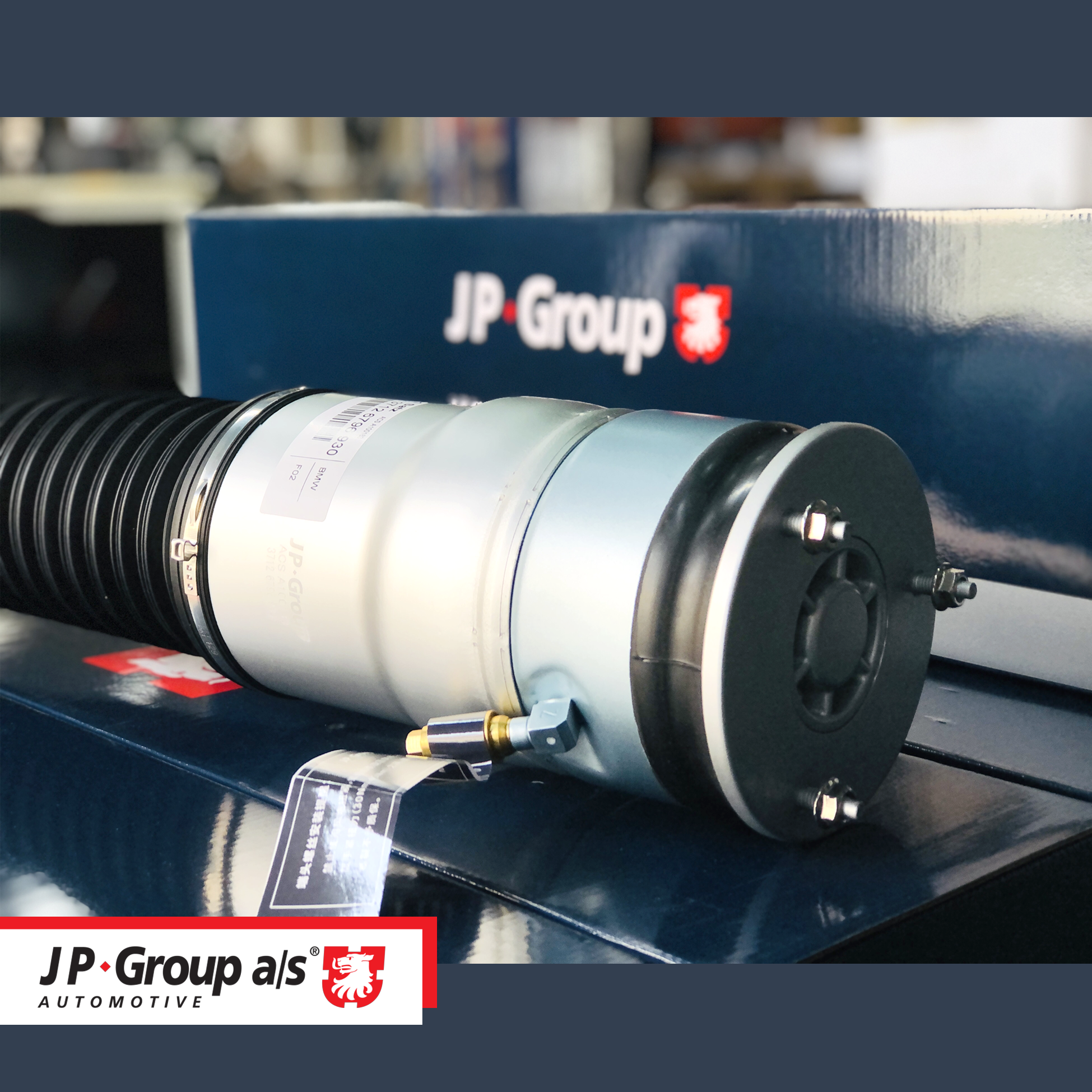
Air suspension systems differ from conventional ones in structure. Conventional suspension relies on springs and shock absorbers, while air suspension replaces traditional springs with air dampers, adding an air pump and an electronic control system for advanced functionality.
- Comfort Experience:
Air suspension excels in comfort, offering smoother rides and better adaptability to road conditions. This provides a superior driving and passenger experience compared to conventional suspension systems.
- Cost Perspective:
Vehicles with air suspension are typically more expensive than those with conventional systems due to the advanced features and components. The additional technology increases the vehicle’s overall production cost.
- Maintenance Costs:
The complexity of air suspension systems leads to higher maintenance expenses. Their intricate components have a greater chance of failure, resulting in potentially higher repair costs over time.
By offering premium auto parts, including air suspension components, JP Group ensures that both systems can be efficiently maintained and repaired for long-lasting performance.